Low Hemoglobin Levels in Dialysis Patients
One of the most common health issues among dialysis patients is low hemoglobin. When the kidneys are unable to function properly, it disrupts many of the body’s balances, and this condition directly affects blood values in particular. For this reason, low hemoglobin is an important issue that must be closely monitored in individuals undergoing dialysis.
What Is Low Hemoglobin?
Hemoglobin is a vital protein found in red blood cells (erythrocytes) that facilitates the transport of oxygen—taken up by the lungs—to the body’s tissues and organs. A drop in blood hemoglobin levels below the expected range, based on age, gender, and the individual’s health status, is considered low hemoglobin. A decrease in hemoglobin levels is often associated with anemia and is one of the major problems frequently encountered, particularly in people with chronic kidney disease.
Multiple mechanisms may play a role in the development of low hemoglobin levels in dialysis patients. Healthy kidneys play a key role in producing a hormone called erythropoietin (EPO), which stimulates the bone marrow to produce red blood cells. When kidney function is severely impaired, erythropoietin production may become insufficient. As a result, the bone marrow’s production of red blood cells may decrease, and over time, hemoglobin levels may drop.
However, low hemoglobin levels in dialysis patients are not solely due to erythropoietin deficiency. Iron deficiency, chronic inflammation, malnutrition, folate or vitamin B12 deficiency, blood loss, and a shortened lifespan of red blood cells can also contribute to the development or worsening of anemia. Repeated blood tests during hemodialysis and small amounts of blood loss that may occur during the dialysis session can also affect iron balance over the long term.
Since a significant drop in hemoglobin levels can reduce the amount of oxygen delivered to tissues, patients may experience symptoms such as fatigue, rapid exhaustion, shortness of breath, dizziness, palpitations, difficulty concentrating, and decreased physical capacity. For this reason, it is important to regularly evaluate not only hemoglobin levels but also iron stores and other laboratory parameters that indicate possible causes of anemia in dialysis patients.
Managing low hemoglobin levels in dialysis patients is not merely an approach aimed at raising blood levels. It is necessary to identify the underlying cause; assess iron status; plan iron therapy or erythropoiesis-stimulating agents as needed; and regularly monitor the response to treatment. The target hemoglobin level and the treatment to be administered should be determined individually by the physician for each patient, taking into account the patient’s clinical condition, comorbidities, and laboratory results.
What Causes Low Hemoglobin Levels in Dialysis Patients?
In individuals undergoing dialysis, low hemoglobin levels can result from many different causes. One of the most significant causes is the kidneys’ inability to produce sufficient amounts of the hormone erythropoietin. While 90% of erythropoietin is produced in the kidneys in adults, erythropoietin production decreases in patients with kidney failure, and:

- Kidney tissue is damaged
- Cells that produce EPO (peritubular fibroblasts) lose their function
- As a result, the bone marrow does not receive sufficient stimulation, erythrocyte production decreases, hemoglobin levels drop, and normocytic normochromic anemia develops (in dialysis patients)
In addition:
- Blood loss
- Inadequate and unbalanced nutrition
- Iron deficiency
- Low protein intake
Factors such as these also contribute to the development of low hemoglobin levels. Diet, in particular, plays a critical role in this regard.
Symptoms of Low Hemoglobin
Low hemoglobin levels in dialysis patients can lead to various symptoms that directly affect daily life and physical capacity, as they can impair the delivery of sufficient oxygen to the tissues. The severity of these symptoms may vary depending on the hemoglobin level, how rapidly the decline occurred, the patient’s age, and any other accompanying health issues.
The most common symptoms include the following:
- Constant fatigue and weakness: A decrease in the amount of oxygen delivered to the tissues can cause a person to tire more quickly during daily activities. Tasks that were once performed with ease may require more effort over time.
- Shortness of breath: Shortness of breath may become more noticeable, especially while walking, climbing stairs, or during physical activity.
- Dizziness: A drop in hemoglobin levels may cause some patients to experience dizziness, lightheadedness, or weakness.
- Pale skin: A decrease in red blood cells and hemoglobin can cause the skin, lips, or nail beds to appear paler than normal.
- Difficulty concentrating: Insufficient oxygen delivery can also affect mental performance. Difficulty concentrating, forgetfulness, or mental fatigue may occur.
- Palpitations and increased heart rate: The body may try to speed up circulation in order to deliver sufficient oxygen to the tissues. In some patients, this can cause heartbeats to feel more pronounced.
- Decreased physical endurance: You may find yourself getting tired sooner than before during daily walks and routine activities.
Not all of these symptoms are specific to low hemoglobin levels. In dialysis patients, various conditions—such as fluid overload, infections, changes in blood pressure, and heart and lung diseases—can also cause similar symptoms. Therefore, it is important not to attribute new or progressively worsening symptoms solely to anemia and to have them evaluated by a healthcare team.
The Importance of Nutrition in Cases of Low Hemoglobin
In addition to medical treatment, proper nutrition is an important supportive measure in managing low hemoglobin levels in dialysis patients. The body needs various nutrients—primarily iron, protein, folate, and vitamin B12—to produce red blood cells. However, when developing a nutrition plan for dialysis patients, it is not appropriate to focus solely on nutrients that support blood production.
For example, some iron-rich foods may also contain high amounts of phosphorus or potassium. Similarly, protein requirements should be determined by taking into account the patient’s nutritional status, laboratory test results, and the specifics of their dialysis treatment. For this reason, it may not be appropriate for dialysis patients to follow general online lists of “foods that are good for anemia” without proper guidance.
It is important to personalize the nutrition plan in accordance with the recommendations of the physician and dietitian, taking into account the patient’s hemoglobin and iron levels, as well as potassium, phosphorus, and other laboratory results. Furthermore, since anemia in dialysis patients is not caused solely by nutritional deficiencies, proper nutrition should not be considered a substitute for medical treatment.
Regular laboratory monitoring, an adequate and balanced diet, assessment of iron status, and the implementation of treatments planned by a physician as needed form the core approach to effectively managing low hemoglobin levels in dialysis patients.
The following food groups, in particular, are important for increasing hemoglobin levels:
1- Foods That Contain Iron
Iron is one of the essential minerals found in the structure of hemoglobin and is necessary for red blood cells to carry out their oxygen-carrying function. For this reason, assessing iron status is an important part of monitoring low hemoglobin levels and anemia in dialysis patients. However, it should not be forgotten that anemia observed in dialysis patients is not always caused solely by iron deficiency.
Iron found in foods is generally classified into two groups: heme iron and non-heme iron. Heme iron, found in animal sources such as red meat, is more easily absorbed by the body. The absorption of non-heme iron, found in plant-based foods, may be lower and can be affected by other foods consumed.
Examples of iron-rich foods include:
- Red meat: It is one of the best sources of iron. However, for dialysis patients, portion sizes should be determined based on protein requirements and the individual’s overall nutrition plan.
- Eggs: Because they contain protein and various micronutrients, they can be part of a balanced diet. The amount consumed should be determined based on the patient’s individual needs.
- Green leafy vegetables: Some vegetables may contain iron and folate. However, when selecting vegetables for dialysis patients, potassium content should also be taken into account.
- Legumes: Foods such as lentils, chickpeas, and dried beans are sources of plant-based protein and iron. However, since they may also contain potassium and phosphorus, the amount consumed and the method of preparation should be tailored to an individual’s specific dietary plan.
An iron-rich diet can help manage low hemoglobin levels in dialysis patients; however, it is not always sufficient on its own. In hemodialysis patients, iron deficiency can develop despite dietary iron intake due to chronic inflammation, recurrent blood loss, and changes in the body’s utilization of iron.
For this reason, it is important to monitor laboratory markers such as ferritin and transferrin saturation (TSAT)—which assess iron status—rather than relying solely on the patient’s hemoglobin level. When iron deficiency is detected, the physician should determine whether oral or intravenous iron therapy is necessary.
In addition, it is not appropriate for dialysis patients to begin taking iron supplements on their own. Iron therapy and dietary plans should be tailored under the supervision of a physician and a dietitian, based on a comprehensive evaluation of hemoglobin levels, iron markers, potassium and phosphorus levels, and the patient’s overall clinical condition.
2- Sources of Protein
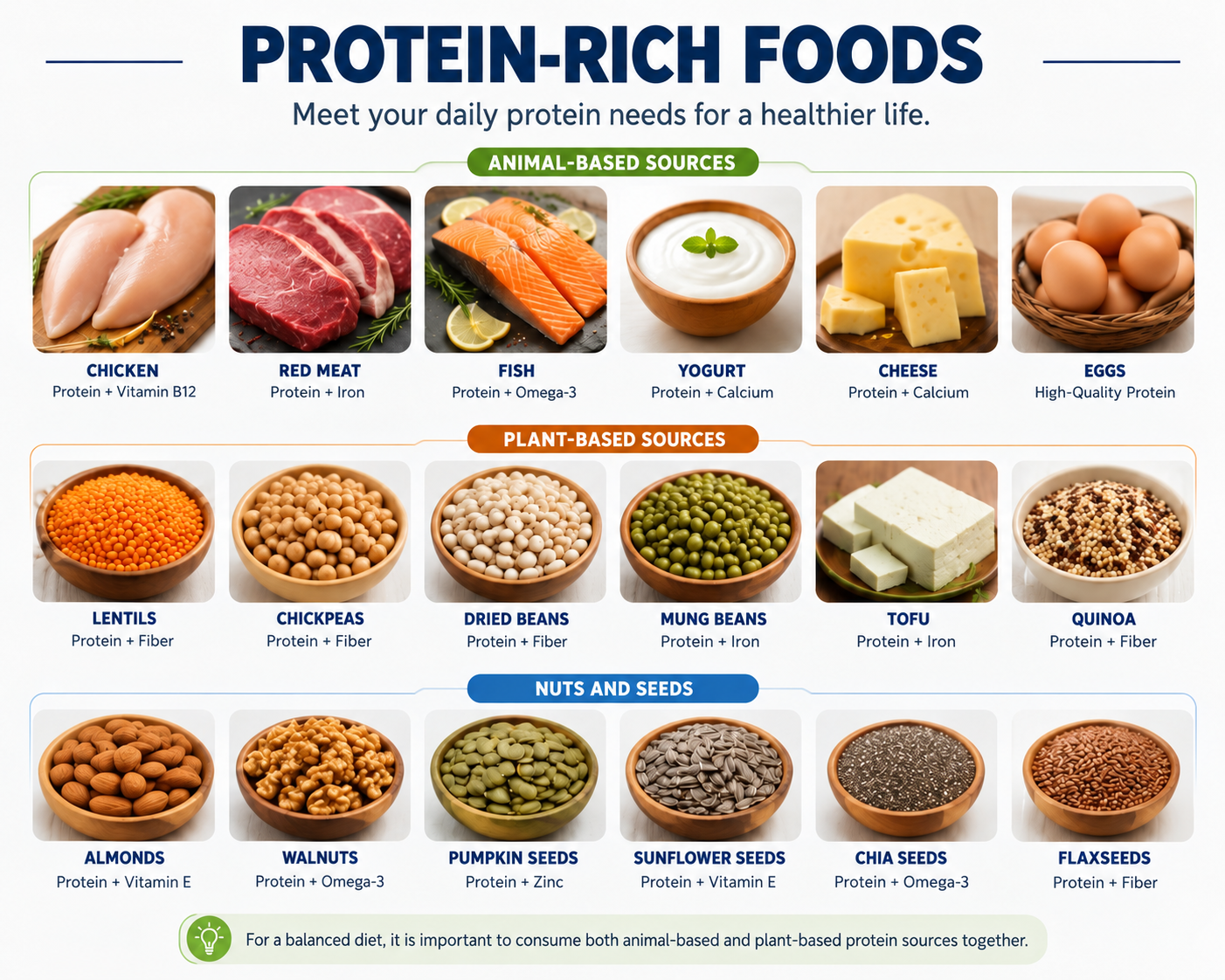
Proteins are essential nutrients that play a role in many vital processes, such as the maintenance of muscle tissue, support of the immune system, tissue repair, and the production of blood cells. Adequate protein intake is particularly important for patients undergoing hemodialysis. Since some amino acids and proteins may be lost during dialysis, a patient’s daily protein requirement may differ from what it was during the pre-dialysis stage of chronic kidney disease.
When evaluating low hemoglobin levels in dialysis patients, the patient’s overall nutritional status should also be taken into account. Inadequate energy and protein intake can contribute to muscle loss and a decline in nutritional status. However, it is not accurate to say that low hemoglobin levels are caused solely by protein deficiency. Decreased erythropoietin production, iron deficiency, chronic inflammation, blood loss, and certain vitamin deficiencies may also play a role in the development of anemia.
Some high-quality protein sources that can be included in the dietary plans of dialysis patients are as follows:
- Chicken: It is one of the foods that provide high-quality protein. Skinless chicken prepared without added fat can be included in a diet in appropriate portions.
- Fish: In addition to being a source of high-quality protein, it can also provide omega-3 fatty acids, depending on the type. The cooking method and portion size should be determined based on the patient’s individual nutrition plan.
- Eggs: They are one of the protein sources with high biological value. Egg whites, in particular, can be included in the diets of dialysis patients because they provide high-quality protein.
- Yogurt: It is a food that contains protein and calcium. However, since milk and dairy products may also contain phosphorus and potassium, the amount consumed may need to be limited based on the patient’s lab results.
When selecting protein sources, it is not enough to consider only the protein content. For dialysis patients, controlling phosphorus, potassium, sodium, and fluid intake are also important components of the nutrition plan. For example, although processed meat products contain protein, they may not be suitable options due to their high levels of sodium and phosphorus additives.
For this reason, when low hemoglobin levels are present in dialysis patients, the goal is not to consume as much protein as possible, but rather to ensure the patient receives an appropriate amount of high-quality protein tailored to their needs. The daily protein intake should be individually tailored by a dietitian and the healthcare team, taking into account the patient’s weight, nutritional status, dialysis method, laboratory test results, and any comorbidities.
3- Vitamin C
Vitamin C enhances iron absorption. This provides a significant advantage in combating anemia. Foods such as oranges, tangerines, and lemons are beneficial in this regard. Vitamin C specifically enhances the absorption of plant-based iron from the intestines.
This ensures that the iron necessary for hemoglobin production is utilized more effectively. In dialysis patients, iron may sometimes be present in the body’s stores but cannot be utilized (functional deficiency).
Vitamin C can make iron more “active,” thereby facilitating its use in the bone marrow. Dialysis patients experience high levels of oxidative stress.
As a powerful antioxidant, vitamin C can extend the lifespan of red blood cells.
However, the use of vitamin C in dialysis patients should be monitored:
- Excess vitamin C → is converted to oxalate
- Oxalate can accumulate in the body, leading to tissue damage and bone and vascular problems.
4- A Balanced and Planned Diet
It is very important to develop a personalized nutrition plan for dialysis patients to help manage their condition. Programs developed under the supervision of a specialist yield more effective results than random diets.
The Impact of Low Hemoglobin on Quality of Life
If left uncontrolled, anemia makes daily life difficult for dialysis patients. It can lead to consequences such as decreased energy levels, social isolation, and a deterioration in overall health. For this reason, regular follow-up and proper dietary habits are of great importance.
- Low hemoglobin → less oxygen is transported to the tissues
- As a result, you may experience fatigue, difficulty with daily activities, and a loss of energy.
- Climbing stairs and even walking become difficult
- Patients often experience a feeling of “not being able to catch their breath”
- The heart works harder to compensate for the lack of oxygen
- Over time, this condition leads to an enlarged heart, an increased risk of heart failure, and palpitations.
Especially as anemia worsens, the strain on the heart becomes severe.
- The supply of oxygen to the brain decreases
- Attention, memory, and concentration are affected
- Constant fatigue → social isolation
- The enjoyment of life diminishes
- Sleep quality is impaired
- Daytime drowsiness increases
- Daily routines are disrupted.
- Due to fatigue, patients may show reluctance to attend dialysis sessions and may have difficulty adhering to their diet and medication regimen.
This also makes overall disease management more difficult
Low hemoglobin levels, which are common in hemodialysis patients, are defined as anemia and directly affect the patient’s clinical condition. According to data from the Ministry of Health, a hemoglobin level that falls below normal limits is considered anemia. You can review the study HERE.
Stay Safe with the Göl Dialysis Center
Proper management of significant health issues, such as anemia, during dialysis is possible with the support of specialists. Göl Dialysis Center not only provides dialysis services to its patients but also offers guidance on nutrition and lifestyle. With its experienced team, it takes a personalized approach to each patient, aiming to help them lead a healthier and more comfortable life.
Result
In summary, anemia is quite common among dialysis patients, but it is a manageable condition. With proper dietary habits, regular follow-up, and expert support, this process can be managed more effectively. Paying close attention to your diet, in particular, is one of the most natural and effective ways to maintain healthy hemoglobin levels. If you’d like more detailed information or professional guidance on managing this process, please feel free to contact us.